


Arrrrr! 🏴☠️ Welcome to a Wednesday Founder Post of Category Pirates. Each week, we share radically different ideas to help you design new and different categories. Founding subscribers can access the entire archive of 200+ mini-books, The Pirate Eddie Bot, copies of our Big Books, and audiobooks. If you’re not a paid subscriber, hop aboard!
Dear Friend, Subscriber, and Category Pirate,
Last week we introduced you to the first nine pirates from Cohort 3.0 of the Category Design Academy. This week, we’re back with the rest of the crew.
If you missed Part 1, you can read it here. Same rules apply. These pirates spent five months getting uncomfortable on purpose, reframing their businesses, raising their prices, walking away from the wrong clients, and jamming with each other in a way that turned a cohort into a crew.
Without further ado, here are the rest of the Category Design Academy 3.0 graduates:
Meet Sylvia Bowman
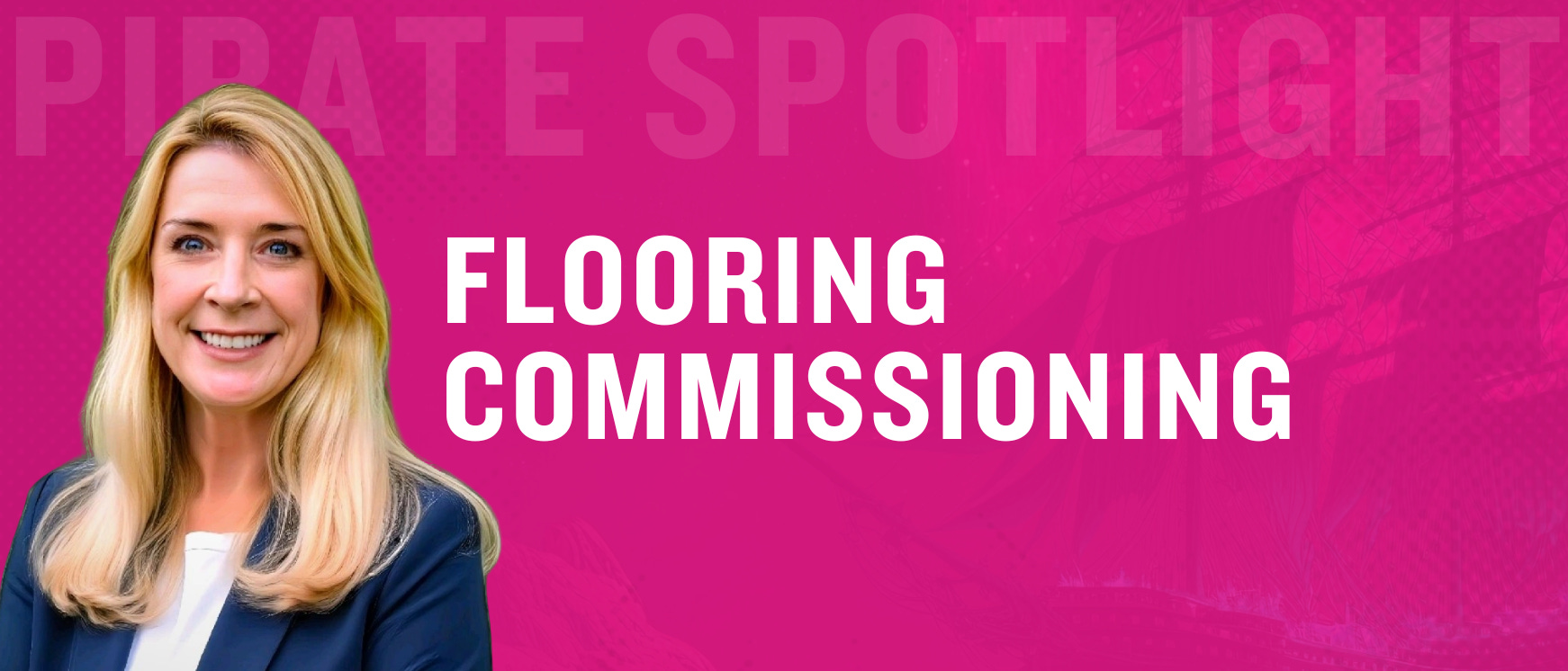
Sylvia’s Category: Flooring Integrity Service
Sylvia came into the Academy with three decades of expertise the rest of the construction industry quietly relies on and rarely names. She’s a commercial flooring expert who has spent her career watching building owners pay twice for the same floor, once when it gets installed wrong, and again when it fails.
Buildings get commissioned. HVAC gets commissioned. Electrical gets commissioned. But the floors, the surface every occupant touches every day, often get installed without anyone independently validating that the substrate, the moisture levels, the adhesive, or the warranty terms match what the building actually needs. So when the floor fails two years later, or fourteen years later, the building owner foots the bill while the manufacturer points at the installer and the installer points at the substrate.
Sylvia’s category is naming that gap and owning it. Flooring Integrity Service. A non-biased third party that works alongside the contractors during install to make sure the integrity of the floor matches what the building owner is paying for. The unintended consequence of getting this wrong is six and seven figures of rework on every major project. The cost of getting it right is a fraction of a percent of the flooring budget.
Sylvia’s Academy Wins
Coined the Flooring Integrity Service and the Flooring Integrity Report as the languaging for the category she now owns, with neutrality as the central feature, because the contractor and the GC have no incentive to flag their own mistakes
Anchored her POV in the line that finally explained what she does: spotting the unintended consequence created by today’s solution, the framing she pulled from chapter 11 of Creator Capitalist, and made her own
Identified the building owner, the director of capital projects at a university, the school board, the developer of a hospital, as her actual Superconsumer, not the GC, because commissioning by definition has to be independent of the people doing the work
“Building owners don’t know what they don’t know. That’s not their fault. It’s the industry’s fault. And I’m done watching them pay for it.”
The Flooring Integrity Method
Sylvia’s superpower is making invisible expertise visible to the people who need it most. Most building owners hire a general contractor and assume the floors will get handled. They don’t. They get installed, which is a different thing.
Her three-move sequence: Build the economic argument, because a Flooring Integrity Service that costs a fraction of a percent of the flooring budget but prevents six and seven figures of rework is a barbell nobody can argue with. Validate during install, because the moment to catch a moisture issue is before the adhesive goes down, not after the floor is failing. Deliver the Flooring Integrity Report at the end, because the building owner needs documentation that’s non-biased and survives every change of contractor, manager, and warranty claim that follows.
You can learn more about Sylvia and her work here.
Meet Eric Hanson
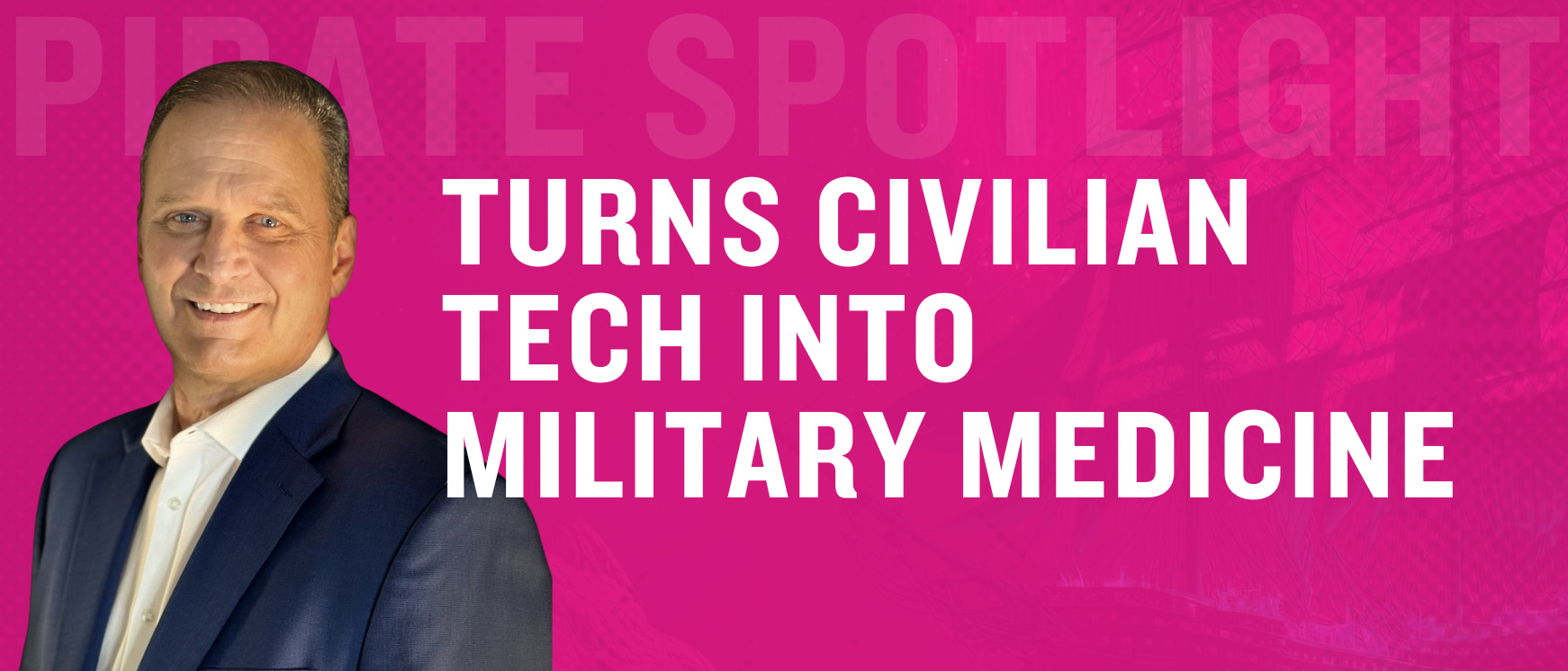
Eric’s Category: Dual Use Technology for Military Medicine
Eric is a physician, a 17-year Air Force flight surgeon, and the founder of MilMed Connect, a Techstars portfolio company that lives at the intersection most people didn’t know existed. The intersection between high-growth life science companies and the part of the U.S. military that actually buys things.
Most med tech, biotech, and pharma companies are focused on the civilian market. Of course they are. That’s where the cap rates are. But Eric has spent 14 years quietly proving that there’s a parallel game running underneath the civilian one. Build a version of your technology that meets military operational requirements, what the field calls C-SWaP (cost, size, weight, and power), and the U.S. Department of Defense becomes the largest non-dilutive funding source most CEOs have never seriously considered. Roughly $40B a year flows through the SBIR program. The Congressionally Directed Medical Research Program puts another $1.27B into play in fiscal year 26 alone.
Eric’s category is dual use technology, the discipline of translating civilian life science innovation into military operational settings. His business is the operating system that helps a small group of CEOs do it well.
Eric’s Academy Wins
Sharpened the Superconsumer to the CEO of a Series A med tech, biotech, or pharma company who has raised $2M to $20M and is ready to commercialize, and who can be coached toward a dual use product roadmap their existing investors hadn’t considered
Productized 14 years of proprietary expertise into Navigator, a no-to-low-code platform that walks five clients at a time through funding roadmaps, industry partnerships, and the labyrinth of DOD acquisition, with an AI agent layer (Curly Bot, Eric Bot, dual use triage bot) coming online in 2027
Built a parallel audience and trained 50 military medical veterans (docs, nurses, pharmacists, dentists, special op medics) to work with industry, of which 25 have already started or augmented their own companies, an extension of MilMed Connect that scales the model rather than the founder
“Our goal is to create an operating system for CEOs around dual use technology.”
The Dual Use Method
Eric’s superpower is that he sits inside two cultures most people only ever see one of, the military medical community and the high-growth life science venture community. He speaks both languages fluently. The military trusts him because he served. The CEOs trust him because he has captured over $300M in non-dilutive DOD and federal funding for med tech, biopharma, digital health, and medical countermeasure companies.
His three-move sequence: Find the CEO who actually wants this, because dual use only works if the CEO is committed, not just curious. The conversion rate is roughly one in ten serious conversations. Identify the C-SWaP version of the product, because the military doesn’t want your civilian product. They want the smaller, lighter, lower-power, edge-compute, AI-assisted version of it that a medic can use 72 hours into prolonged casualty care. Stack the four capitals, financial (non-dilutive funding), relational (DOD networks), reputational (military validation), and intellectual (14 years of pattern recognition), into a single roadmap the CEO couldn’t build alone.
You can learn more about Eric and MilMed Connect here.
Meet Richard Poolman
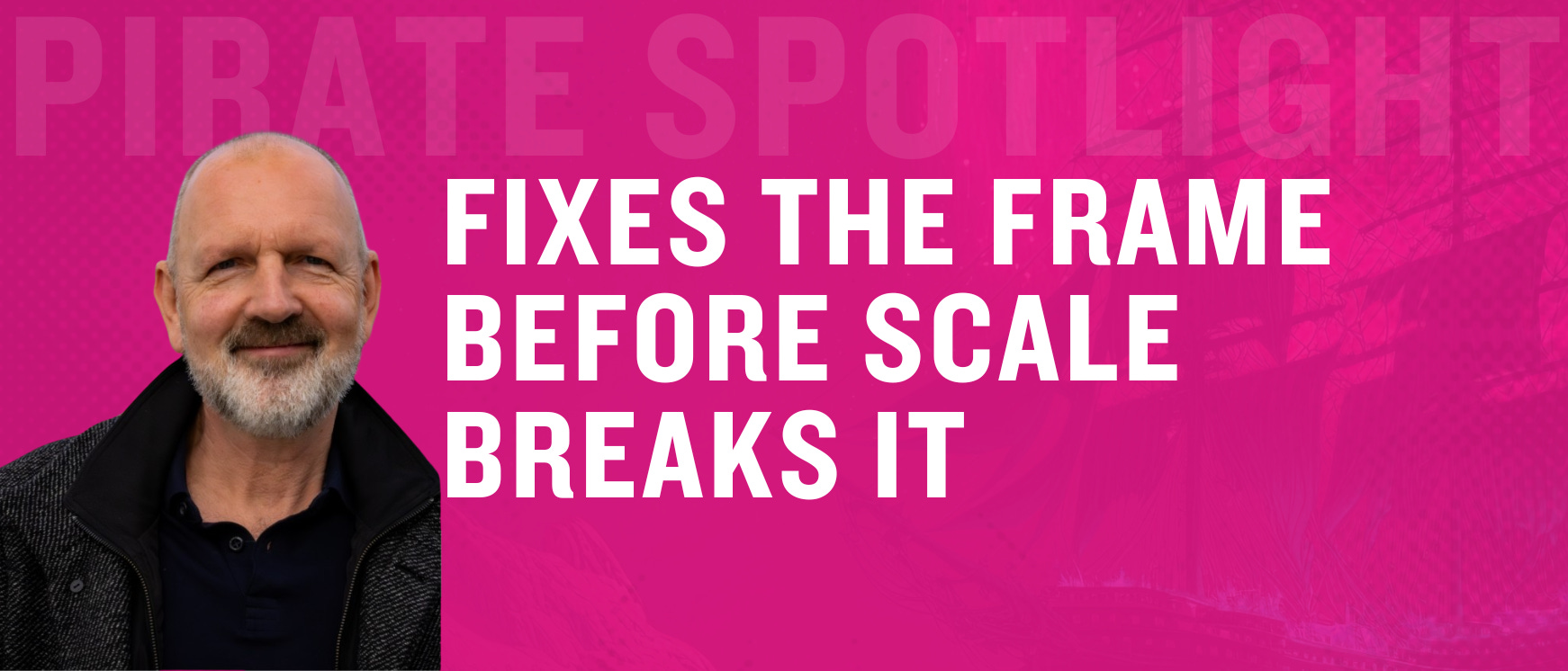
Richard’s Category: Category Decisions That Meet GTM Execution, for AI-Native and Enterprise Software in Europe
Richard is the rarest kind of grad, the one who walked into the Academy with a 25-year track record of building European GTM engines from zero at companies like ServiceNow, Snowflake, Tanium, and Quantexa, and walked out asking himself a different question than the one he’d been asking for two and a half decades.
The question Richard used to ask: where can we improve pipeline, messaging, sales execution, and team structure?
The question he asks now: are we solving the right problem in the right category?
If the answer is no, better messaging won’t fix it. More pipeline won’t fix it. Hiring more sales won’t fix it. He’s seen it more times than he can count, strong companies stuck not because they lack execution but because the market sees them through the wrong lens. Execution cannot fix a broken frame. He is now the guy who fixes the frame before scale makes it expensive.
Richard’s Academy Wins
Reframed his entire operating premise from optimizing GTM execution to diagnosing category fit before execution
Took the lessons of Category Design into his existing work with leadership teams in AI-native and enterprise software companies, sharpening conversations about which category to own and which framing to abandon
Identified his next chapter as working with founders and GTM leaders who know something is off but can’t yet see it clearly
“Don’t start with solutions. Don’t start with GTM. Start with the problem you want the market to see. Once that’s clear, everything downstream becomes easier.”
The Category-Before-Execution Method
Richard’s superpower is recognizing the moment a company’s positioning has stopped working. A positioning that worked at Series A becomes drag at Series C. A market narrative generates attention but not budget. Teams optimize execution inside the wrong game. Most operators don’t see it because they’re inside it. Richard sees it because he’s been inside it five times before.
His three-move sequence: Diagnose the category, not the company, because the company is usually not the problem. Decide the framing to abandon before deciding the framing to claim, because most companies are carrying old positioning like dead weight. Translate category into revenue design, because category clarity that doesn’t show up in pricing, packaging, and pipeline is just a deck.
“AI increases speed. It does not replace judgment about where to point the company.”
You can learn more about Richard and his work here.
Meet Judith Schroder

Judith’s Category: The Contract Velocity Framework for Material Impact Contracts
Judith is a lawyer in Europe with 25 years of experience working on contracts for company owners, from small enterprise to large. She came into the Academy doing what most lawyers do, billing in six-minute increments. She left building something completely different.
Her category is the contract velocity framework for material impact contracts. Not legal advice. Not contract drafting. AI can do those. What AI cannot do, and what Judith has spent 25 years getting good at, is the de-escalation work that happens when a multi-million dollar contract starts to break down. When the parties are angry. When the wrong move forward is a “pissed off letter” and the right move forward is a strategic conversation that nobody else is brave enough to have.
That work has a name now. Contract velocity. And Judith owns it.
Judith’s Academy Wins
Coined “the contract velocity framework” and “material impact contracts” as the language for the category she now owns
Reframed her pricing from hourly billing to a Good-Better-Best structure that charges a fixed fee tied to outcomes on contracts measured in millions of euros
Identified de-escalation as her actual superpower, not contract drafting, and started leading with it
“I’m not the best drafter, but I don’t need to be the best drafter, because everyone has AI already. It’s strategy in conflicts. That’s where I make the difference.”
The Contract Velocity Method
Judith’s superpower is what most lawyers refuse to do, treat the contract as a relationship rather than a document. Most contract disputes get worse because both sides escalate to win. Judith de-escalates so both sides can finish.
Her three-move sequence: Diagnose the breakdown drivers, because there are always three reasons a contract is collapsing and most clients can only see one. Apply the velocity framework, because contracts have a lifecycle and if they don’t get done in a certain window they don’t get done. Force a fund-or-walk decision in a week, because the worst outcome is a contract that drifts for six months and ends up worse than walking away.
“I felt like a social worker 90% of the time. Now I charge for it.”
You can learn more about Judith and her work here.
Meet Karthi Ratnam
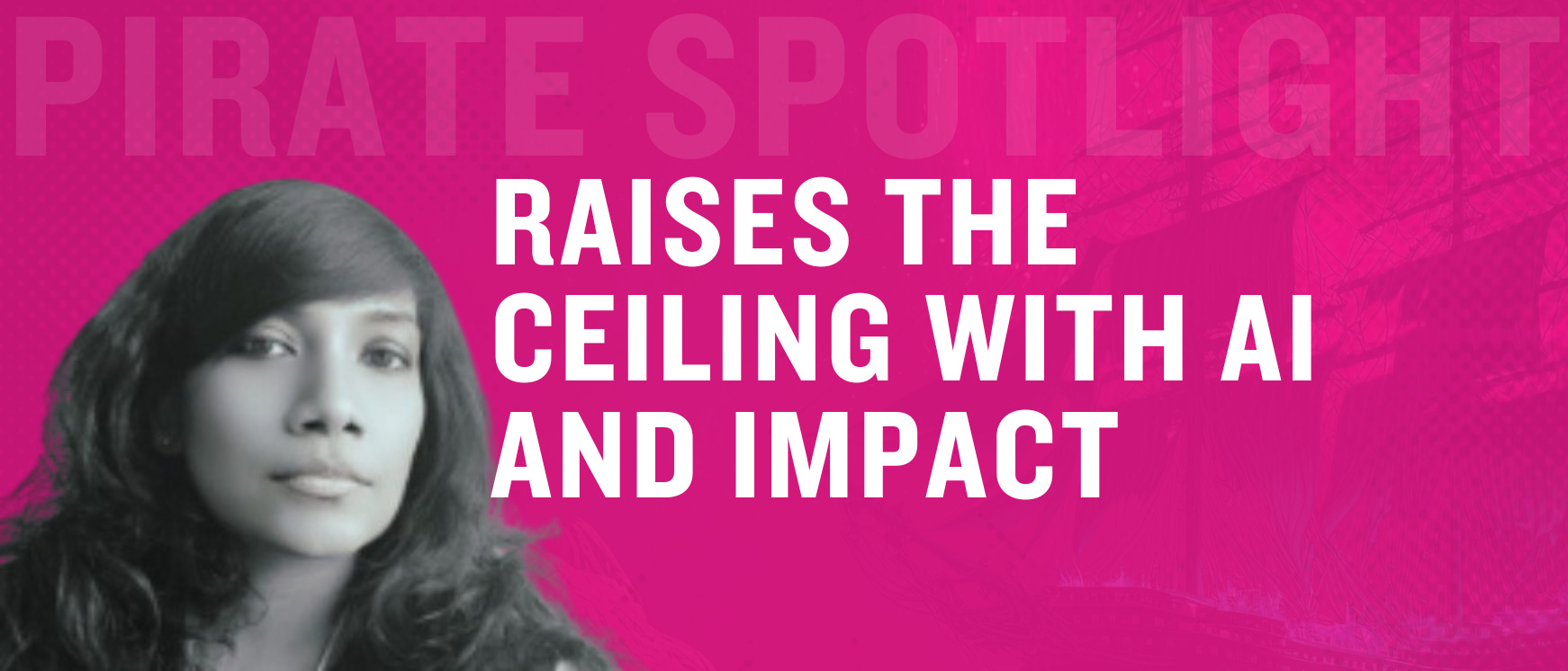
Karthi’s Category: Impact Category Design and the Productivity-to-Capacity Reframe
If you ever want a master class on what it looks like to take Category Design and rebuild it from first principles for your own work, spend an hour with Karthi Ratnam. The Cohort 3.0 standout, the godmother of impact category design, the person who has spent six years adding impact to the Magic Triangle and getting away with it because she’s right.
Karthi’s lens on Category Design is this: most companies are stuck in a false binary between profit and purpose. You can do well or you can do good. Pick a lane. She refuses the lane. She has spent her career proving that the right unit economics, applied to the right category, with the right point of view, lets you do both. And she has a phrase for the people who don’t believe her.
“You don’t have to be poor to be a good person.”
She also has a phrase for the people stuck inside the productivity treadmill, which is most of the GTM world. The reframe is simple. Sales isn’t failing because reps don’t write emails faster. CROs don’t start the year with productivity planning. They start with capacity planning. So why is every AI company selling productivity?
Productivity to capacity. That’s the FROTO Karthi unlocked.
Karthi’s Academy Wins
Reframed her own Lightning Strike work for an enablement-focused AI company from “we make reps more productive” to “we unlock revenue capacity without adding headcount”
Built a new identity for the buyer of that work, the revenue activator, which moved enablement leaders out of the support function correlation map and put them directly on the cause map for revenue
Coined her own variant of category design, impact category design, which adds societal impact as a fourth side to the Magic Triangle and refuses the profit-or-purpose binary
“I never trade my time for value. I don’t go looking for jobs. People come to me. People who matter know me. People who don’t know me probably shouldn’t know me.”
The Impact Category Design Method
Karthi’s superpower is making smart people uncomfortable in a way they thank her for later. She thinks marketers should read scripture, because scripture is the only POV that has scaled across every civilization, geography, and culture that humans have ever built. And she thinks marketers should learn from nature, because nature is the only system that has shipped more category-defining innovations than any human ever has.
Her three-move sequence: Reject the premise of your own category, even after you’ve built it, because if you can’t reject the premise of Play Bigger after reading it, you’re not actually a category designer. Anchor in aspirational value at scale, because the question isn’t whether your customers want what you make. The question is who they get to become if they have it. Build the recursion loop with AI, because the operators who win the next decade are the ones treating AI as a thought partner that scales judgment, not a tool that scales output.
You can learn more about Karthi and her work here.
Meet Chris Stanley
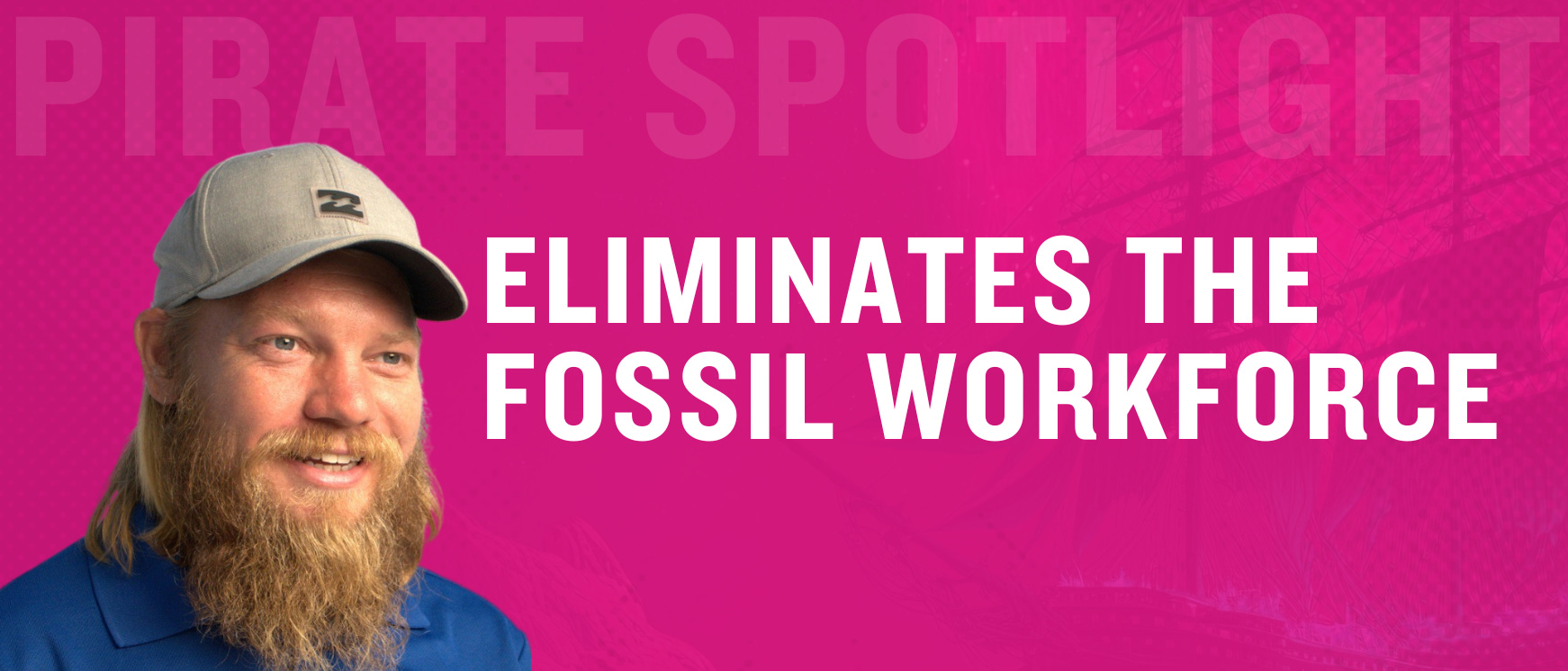
Chris’s Category: The Renewable Auto Estimating Workforce
Chris spent ten years building IA Path, a training program helping new adjusters and estimators break into the auto insurance and collision industry. The whole time, he kept asking the wrong question. The question he kept running into wasn’t “how do we train more people.” It was bigger.
Why is the industry pipeline broken?
The Academy helped him name what he was actually building. The category isn’t adjuster training. The category is the Renewable Auto Estimating Workforce.
Chris’s villain is the Fossil Workforce, a generation of adjusters, appraisers, and estimators who built the insurance and collision industry from scratch. They weren’t trained. They were shaped. Time in the seat. Pressure from carriers, shops, and claimants. Years of feedback that was sometimes a mentor and sometimes just a bad estimate getting kicked back. That’s how the entire knowledge base of the industry was built. Informally. Inconsistently. Invisibly.
And right now, one in four of them retires by 2027.
The industry doesn’t have a talent crisis. It has a design failure. Chris is the one designing the fix.
Chris’s Academy Wins
Reframed his work from “adjuster training” to the Renewable Auto Estimating Workforce, which moves the conversation from labor supply to industry redesign
Coined the Fossil Workforce as the villain, naming the cohort that’s quietly aged out of the industry without anyone replacing the knowledge they carry
Built the Contribution Standard as the measurement layer for the new category, “not what you know, what you can contribute from day one”
“The fossil workforce was built by time and pressure. The renewable workforce is built by design.”
The Contribution Standard Method
Chris’s superpower is recognizing that the entire training conversation in his industry is built on the wrong unit of measurement. Most industries grade new entrants on what they know. Chris grades them on what they can contribute. The distinction sounds small. The implications are massive. It changes who can enter this career, how fast they can do it, and what happens to the industry when the fossil workforce finally walks out the door.
His three-move sequence: Name the workforce design failure, because nobody else in the industry is calling it that. Build the new workforce by design, not by accident, because the previous generation was built by pressure and the next one cannot be. Measure by contribution, because contribution is the only signal that scales when knowledge can no longer be transferred informally.
You can learn more about Chris and IA Path here.
Meet Henrik Hjelte
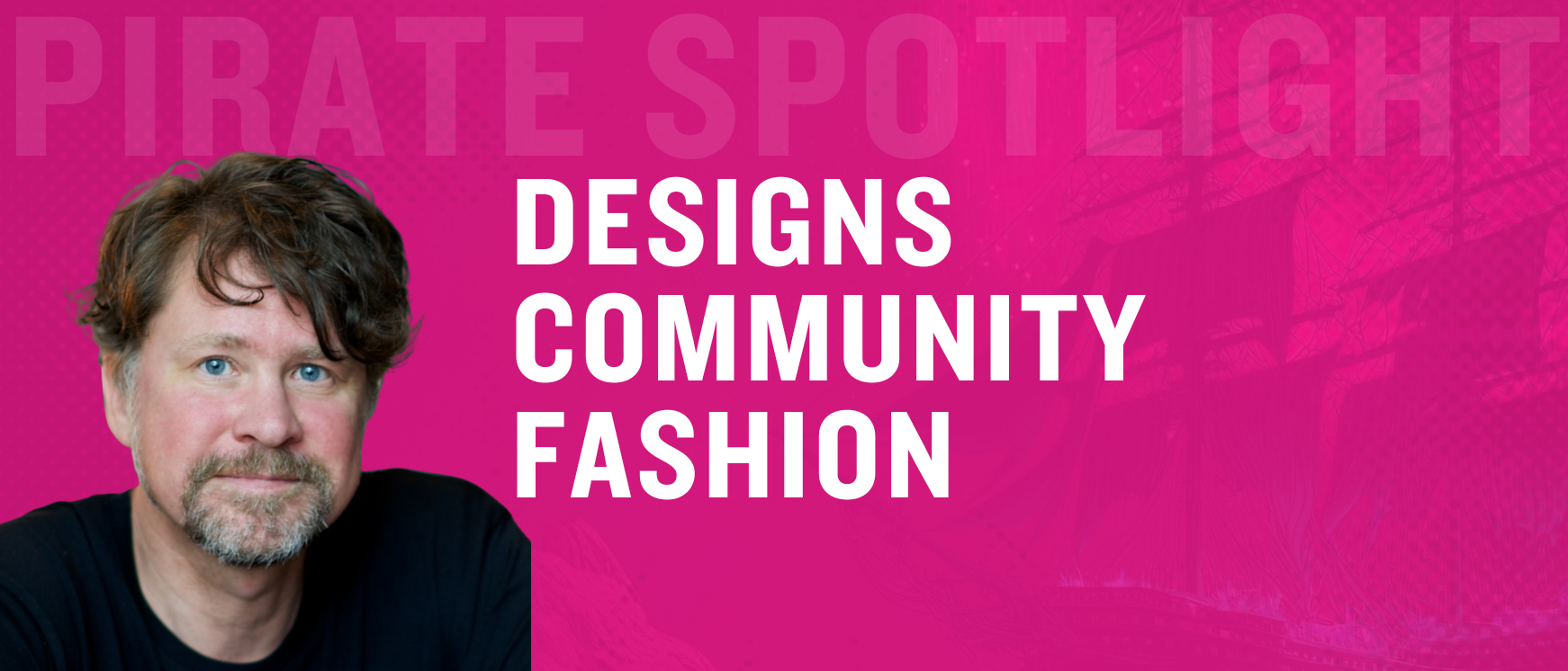
Henrik’s Category: Community Fashion (From Choice to Voice)
Henrik came into the Academy as the CEO of a blockchain company planning a Lightning Strike for an AI idea. Then his board kicked him out. So he did what most ex-CEOs don’t do. He bought an asset off his old company, walked away from software, and pointed himself at one of the largest, oldest, and most top-down industries on Earth. Fashion.
The asset is Black Denny, a leather and denim brand founded in 2011 by Johan Lindeberg, the man behind Diesel’s most controversial ad campaigns of the 90s. Beyoncé wore the jackets. The brand had values rooted in borderless community and creativity beyond borders. And it was sitting there, undervalued, waiting for someone to do something different with it.
Henrik’s category: Community Fashion. The reframe is simple and contrarian. For the entire history of fashion, the conversation has gone one direction. Designer creates. Customer buys. Take it or leave it. The customer’s only real power is to walk away. Henrik’s POV is that customers should have a voice, not just a choice. Buy a Black Denny jacket. Scan the NFC chip with your phone. You now have a vote on what the company does next, where the surplus goes, and what the next drop looks like. Not co-ownership. Co-direction. Like a country, where citizens don’t own the company but they get to elect the people who run it.
He calls it “from choice to voice.” And it’s also a built-in answer to mission drift, because the community has structural power that prevents a future buyer from quietly destroying the values the brand was built on.
Henrik’s Academy Wins
Coined “from choice to voice” as the POV that reframes the customer’s relationship with a fashion brand from passive purchase to active participation
Landed on Community Fashion as the category, with Christopher’s framing: “For the entirety of fashion, fashion’s a one-way conversation from designer to client. We’re saying community, where customer gets voice with designer, and customers get voice with each other”
Built mission drift prevention directly into the legal and governance structure of the brand, so the community has the power to keep the values from being sold off when someone with a checkbook shows up
“Customers are our biggest asset. So why are we treating them like an anonymous wallet instead of a citizen?”
The Community Fashion Method
Henrik’s superpower is treating a fashion brand the way most people treat a country: as something its participants build together, not something a single designer dictates from the top. The first NFC scan is the first vote. Every drop after that is the result of the last vote.
His three-move sequence: Sell the jacket first, because nobody’s buying a governance model. They’re buying clothes that look good and feel right. The voice comes later. Activate the community through the chip, because the NFC scan is the conversion event from buyer to citizen, and that’s where the real category begins. Build mission drift protection into the structure, because the entire promise of community fashion falls apart the moment a future board can override the community.
You can learn more about Henrik and his work here.
If You’re Reading This, Wondering Whether the Academy Is For You
Every one of these grads walked into Cohort 3.0 with a business or a career that was working. They had clients. They had revenue. They had reputations in their industries. None of them needed the Academy to keep doing what they were already doing.
What they needed was a different question.
Sylvia needed someone to tell her that her job is flooring integrity, not flooring expertise, and that the building owner is her Superconsumer, not the GC.
Eric needed the language to describe what he had been building for fourteen years inside the dual-use opportunity.
Richard needed permission to stop optimizing GTM execution and start diagnosing category fit.
Judith needed to stop apologizing for being a social worker 90 percent of the time and start charging for it.
Karthi needed the architecture to make her own version of category design make sense to people outside her head.
Chris needed to stop calling it adjuster training and start calling it the Renewable Auto Estimating Workforce.
Stacey needed to focus the problem down to the people willing to pay $1,000 a month to use AI less.
Henrik needed to stop pitching governance and start pitching jackets, and to let “from choice to voice” do the heavy lifting underneath.
If you’ve been doing your work well for a long time and you can feel that the language hasn’t caught up to what you’re actually doing, the Academy is for you. If you’ve built a real category in your industry but you’ve never heard anyone else describe it the way you do in your head, the Academy is for you. If you have a business that works and you suspect it could work an order of magnitude better with the right framing, the Academy is for you.
If you’re looking for tactics, we’re not the right people.
If you’re looking for permission to stop doing what everyone else in your industry is doing and start owning a category that’s actually yours, hop aboard.
Arrrrrrr,
Category Pirates
P.S. Want to do this work yourself?
Cohort 4.0 started Monday. Cohort 5.0 is a long time to wait while every grad above pulls further ahead of where you currently are.
The good news is, you don’t have to wait.
The Pirate Eddie Bot is trained on every mini-book, every framework, every jam, every piece of category design IC we’ve ever published. Ask it about your villain. Ask it to tear apart your tagline. Ask it to help you find the FROTO in your offer. Ask it the questions Sylvia asked, the questions Eric asked, the questions Richard asked, the questions Judith asked, the questions Chris asked, the questions Stacey asked, the questions Henrik asked. It will do for you what it did for them.
The Pirate Eddie Bot lives behind the Founding subscriber door. Become a Founding subscriber here and start jamming today.
If you’d rather do the work in a cohort, you’ll have to wait for cohort 5.0 to open.
Awesome, awesome read!!!!