


Dear Friend, Subscriber, and Category Pirate,
It’s Christmas Eve (Merry Christmas, Pirates 🏴☠️).
You love your family.
You really do.
You also wouldn’t mind 20–40 minutes where no one asks you a question, hands you a device to fix, wants your opinion on AI, politics, or whether this is “a good time to finally start something new.”
The holidays have a way of being loud—even when they’re warm.
Full of good intentions, overlapping conversations, and just enough chaos to make thinking quietly feel like a luxury.
That’s what long walks, empty kitchens, slow dishwashing, and headphones were invented for.

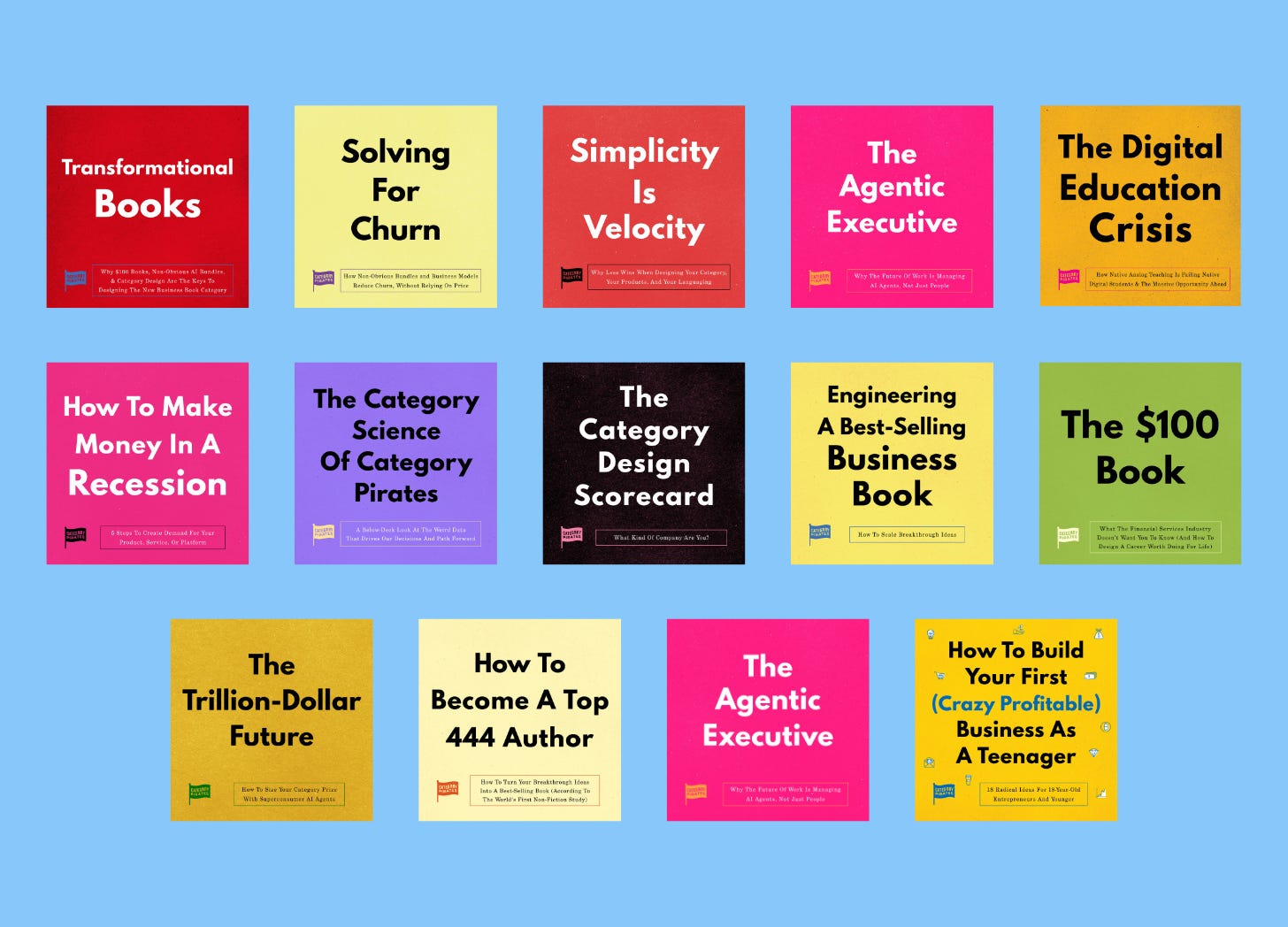
So we dropped a bunch of audiobooks to help you survive the holiday season—with your sanity (and curiosity) intact.
And instead of tossing 14 audiobooks at you randomly, we organized them by the kind of quest you might be on right now.
Because even a small pocket of momentum beats starting from zero in January—and this is a good week to protect it.
Pick one 3-book listening path.
Choose the path that matches the tension you’re feeling right now:
Building A Business That Survives Reality
Turning Thinking Into Leverage (Books As Assets)
Designing the Game You’re Actually Playing
From Teaching To Transformation
Seeing Around Corners Before The Market Does
You don’t need to listen to all 14 (but you can if you want, or need, to 🏴☠️).
Start at the beginning and stop when something clicks.
Path 1: Building A Business That Survives Reality
This path is for when things feel a little tighter than the headlines admit.
When customers are more hesitant. When “growth” starts to feel fragile. When the question quietly shifts from “How do we scale?” to “How do we not break?”
This isn’t doom-and-gloom thinking.
It’s durability thinking.
These three audiobooks help you stop chasing demand, stop leaking value, and start building a business people won’t walk away from—no matter your age.
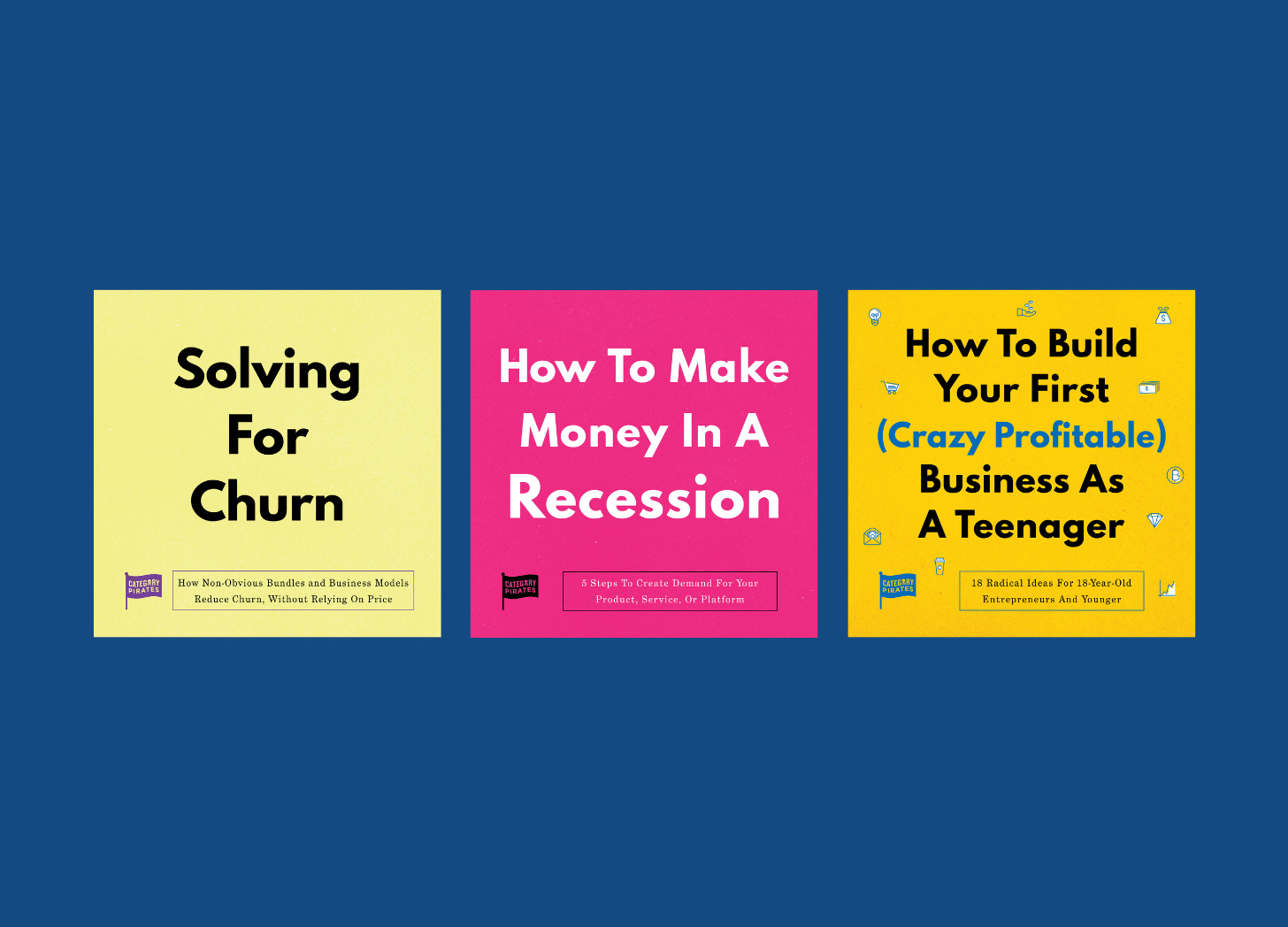
Solving For Churn: How Non-Obvious Bundles And Business Models Reduce Churn, Without Relying On Price
Churn isn’t a pricing problem. And it’s not a product problem either.
It’s a business model and value architecture problem.
This audiobook breaks down why modern customers binge, bail, and disappear—and how the smartest companies reduce churn by designing Non-Obvious bundles, deeper customer intimacy, and category-level loyalty instead of relying on discounts or feature wars.
You’ll learn why Serial Churners are the enemy of long-term value, why Supers are the only customers that really matter, and how to design offerings people don’t want to cancel—even when they’re tightening budgets.
Listen here:

How To Make Money In A Recession: 5 Steps To Create Demand For Your Product, Service, Or Platform
Recessions aren’t the worst time to build.
They’re the worst time to fight for demand—and the best time to create it.
This audiobook shows how downturns force buyers to redraw their “Must Have vs. Nice to Have” lists—and why category creators who understand this emerge stronger while competitors burn cash chasing shrinking attention.
Instead of reacting with discounts, this gives you a clear path to elevating what you do from optional to essential by reframing the problem you solve at the category level.
Listen here:

How To Build Your First (Crazy Profitable) Business As A Teenager: 18 Radical Ideas For 18-Year-Old Entrepreneurs And Younger.
Despite the title, this isn’t about age.
It’s about first-principles business thinking.
This audiobook strips business down to its rawest form: solving real problems, getting paid for outcomes, and building leverage without permission, capital, or credentials. It’s a reminder that the most resilient businesses aren’t built with complexity—they’re built with clarity, urgency, and scrappiness.
If you’ve over-engineered things or drifted too far from the fundamentals, this audiobook snaps your thinking back to what actually works.
Listen here:

Path 2: Turning Thinking Into Leverage (Books As Assets)
This path is for when you know you have something valuable in your head—but it’s not compounding yet.
You’ve written.
You’ve shared ideas.
You’ve shipped content.
But it still feels fragile. Like effort resets to zero every time you stop pushing.
This path reframes books not as creative output—but as economic infrastructure.
Not something you publish once, but something that keeps working for you.
These three audiobooks show how ideas scale, why most books fail to do so, and how to design intellectual capital that compounds instead of evaporates.
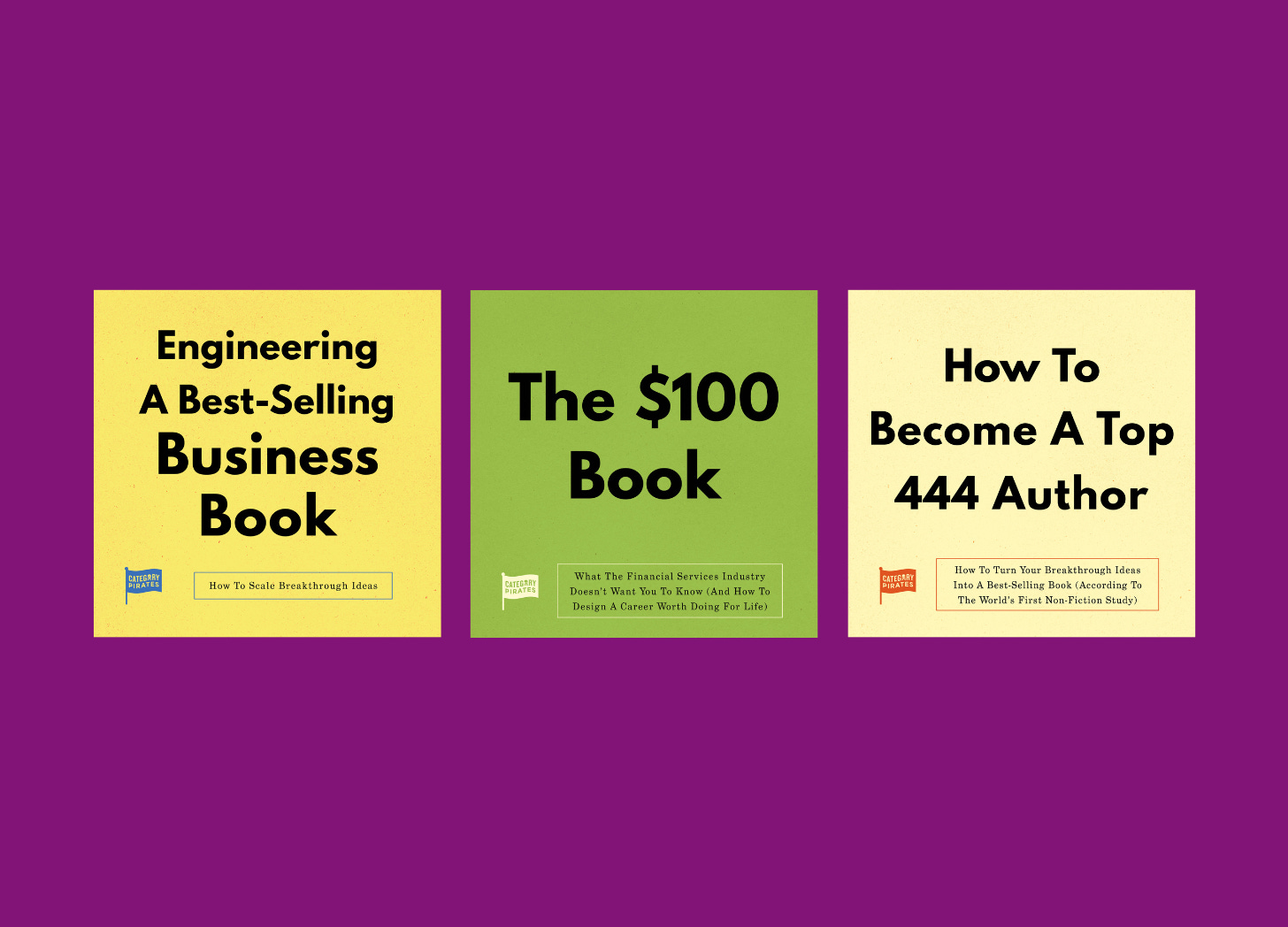
How To Become A Top 444 Author: Turn Your Breakthrough Ideas Into A Best-Selling Book
This audiobook comes from a Category Science study of the Top 444 best-selling business books of the last two decades.
Not advice.
Data.
It shows why some ideas scale and most don’t—and why writing “a good book” is very different from writing a book that creates leverage, authority, and long-term upside.
You’ll learn the difference between Author-Centric vs. Idea-Centric books, why category choice matters more than writing skill, and how the most successful authors ascend into larger, more durable categories where their ideas can actually travel.
Listen here:

Engineering A Best-Selling Business Book: Why some ideas scale and others do not.
This audiobook is about designing ideas that spread.
It breaks down the Obvious vs. Non-Obvious framework, why most books accidentally become commodities, and how language, framing, and category choice determine whether an idea sticks—or dies quietly on a shelf.
If you’ve ever wondered why some books change how people think while others are skimmed once and forgotten, this gives you the blueprint.
This is about engineering scale before you write a word.
Listen here:

The $100 Book: Why Book Economics Is Broken And How Authors Can Leverage Pricing To Increase The Value Of Their Intellectual Capital
This audiobook takes on a taboo question most creators never ask:
Why are books—one of the most powerful transformation tools in the world—priced like commodities?
Using real data, real publishing economics, and a live case study, this audiobook shows how pricing signals value, how underpricing destroys authority, and why the future belongs to creators who price for outcomes, not access.
It reframes a book as a declaration—not a discount—and shows how pricing can be the strike that creates a category of its own.
Listen here:

Path 3: Designing the Game You’re Actually Playing
This path is for when you’re doing everything “right” and still feel uneasy.
Revenue might be growing.
The product might be strong.
The team might be busy.
But underneath it all is a quieter question: Are we actually building something that wins long-term—or just competing well inside someone else’s game?
These three audiobooks help you step back, diagnose where you really stand, and see the category forces shaping your future before they shape it for you.
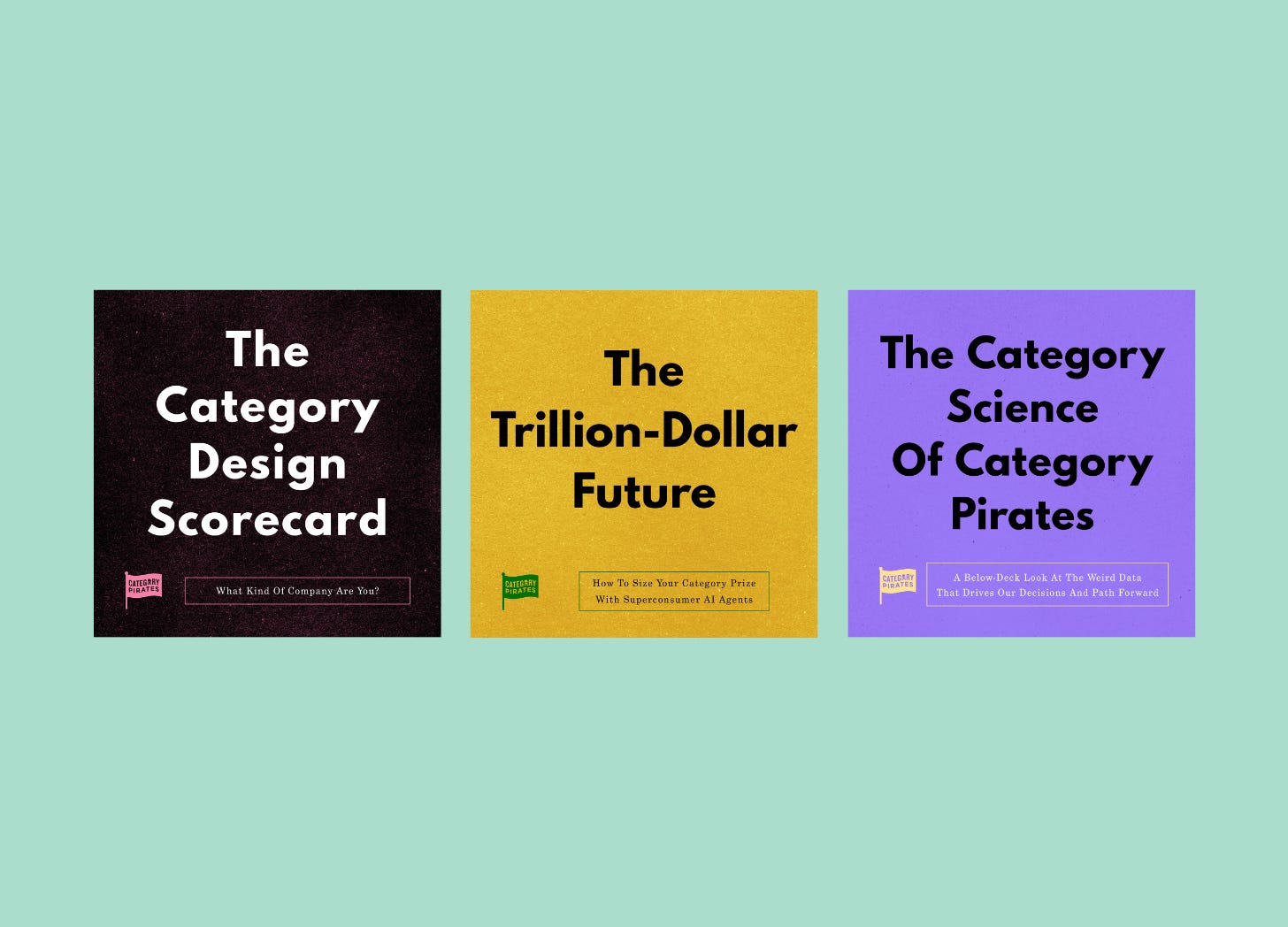
The Category Design Scorecard: How Do You Know When You’re Looking At A Category Creator Versus Just Another High-Growth Company?
This audiobook is a mirror.
It objectively shows whether you’re a company trying to Be the Winner, Be the Best, or Be Different—and why only one of those paths consistently creates outsized value.
Built from an analysis of Fortune’s fastest-growing companies, the scorecard walks you through five non-negotiable dimensions of category leadership: POV, future vision, radically different offers, data flywheels, and customer outcomes.
It removes ambiguity and wishful thinking. You don’t guess where you stand. You score it.
Listen here:

The Category Science Of Category Pirates: A Below-Deck Look At The Weird Data That Drives Our Decisions And Path Forward
This audiobook shows what happens when you stop relying on intuition—and start listening to weird data.
It’s a below-deck look at how Category Science works in the real world: how Superconsumer signals, behavioral patterns, and non-obvious data reveal where categories are actually headed.
More importantly, it teaches you how to run Category Science on your own business—so you can spot future demand, course-correct early, and avoid drifting into category neglect.
Listen here:

The Trillion-Dollar Future: How To Size Your Category Prize With Superconsumer AI Agents
Sizing the prize isn’t just math—it’s belief disguised as math.
This audiobook explains why spreadsheets alone consistently understate category opportunity, and how Superconsumers reveal how big the future can be if you’re willing to design for it.
Using Superconsumer AI Agents, this shows how to fuse belief, data, and imagination into a credible story of exponential growth—one that aligns teams, investors, and partners around a future worth committing to.
If you’ve ever felt your ambition outpaced your models, this closes the gap.
Listen here:

Path 4: From Teaching To Transformation
This path is for when information isn’t the problem anymore.
You’ve read the books.
You’ve watched the talks.
You know what “good strategy” sounds like.
This path is about crossing the line from knowing to becoming—from transferring ideas to creating outcomes that alter behavior, identity, and direction.
These three audiobooks reframe what learning, leadership, and leverage look like in an AI-first world—and why the future belongs to people who design transformation, not just content.
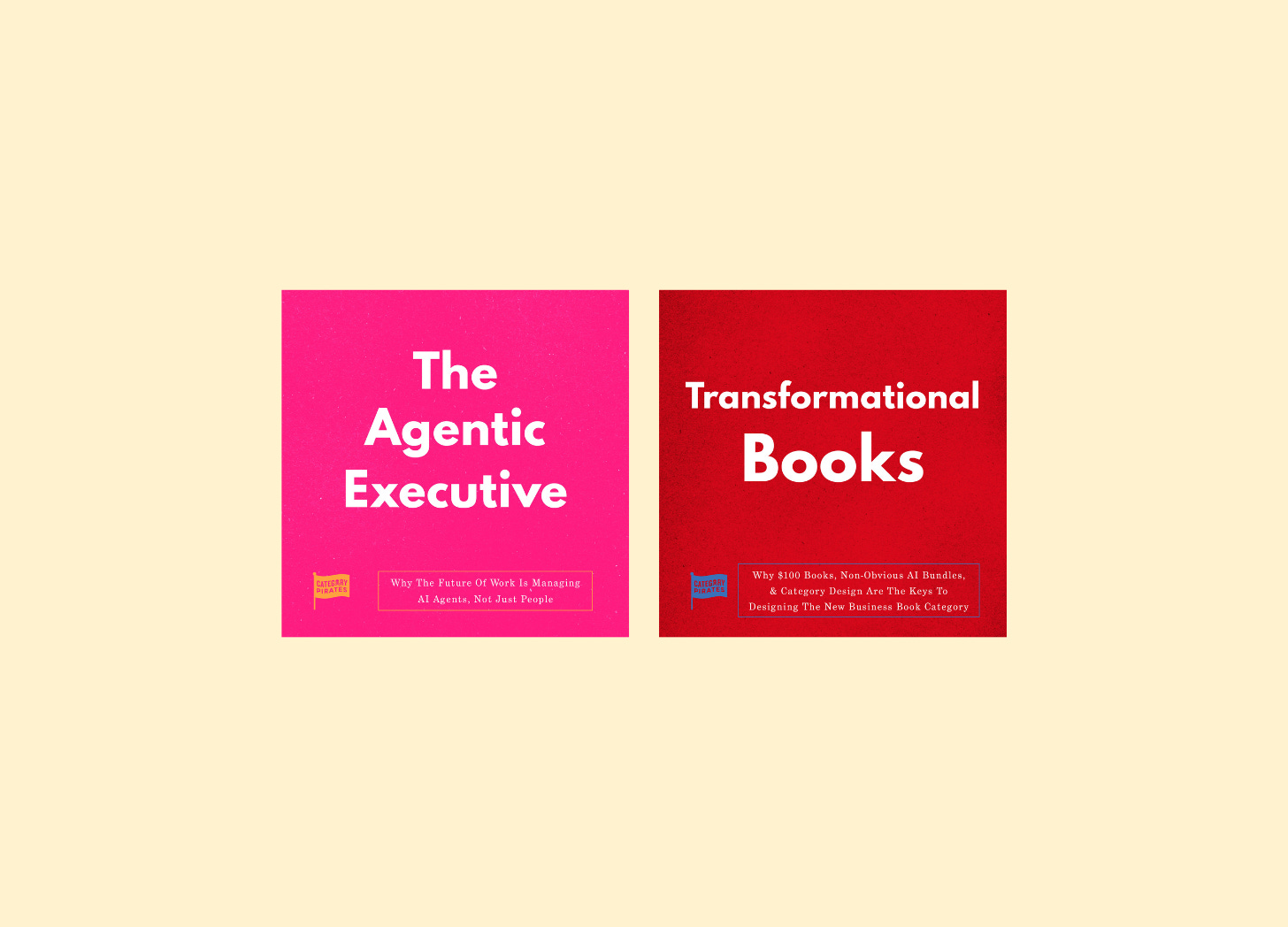
Transformational Books: Why $100 Books, Non-Obvious AI Bundles, & Category Design Are The Keys To Designing The New Business Book Category
Most books are built to be consumed.
Transformational books are built to be lived.
This audiobook exposes why the traditional publishing model undervalues both authors and readers—and how a new category of books is emerging that prices for outcomes, not pages.
It shows how $100 books, non-obvious bundles, and AI companions turn ideas into systems people return to, talk about, and act on. This isn’t about writing more. It’s about designing work that changes someone’s trajectory—and gets valued accordingly.
Listen here:

The Agentic Executive: Why The Future Of Work Is Managing AI Agents, Not Just People
The future of leadership isn’t managing people harder.
It’s orchestrating intelligence.
This audiobook explains why the managerial pyramid is collapsing and how executives who learn to command AI Agents will create exponentially more value than those who don’t.
It reframes “effectiveness” in an AI-first world—from activity and headcount to outcomes and leverage—and shows how leaders move from doing the work to designing systems that work for them.
Listen here:

Path 5: Seeing Around Corners Before the Market Does
This path is for when the present feels misleading.
The numbers still look fine.
The dashboards still update.
The experts still sound confident.
And yet, something feels off.
This path helps you spot category shifts while they’re still deniable—before they show up in earnings calls, headlines, or analyst notes. Not by guessing the future, but by learning how to read behavioral signals, generational shifts, and simplicity patterns that always precede market change.
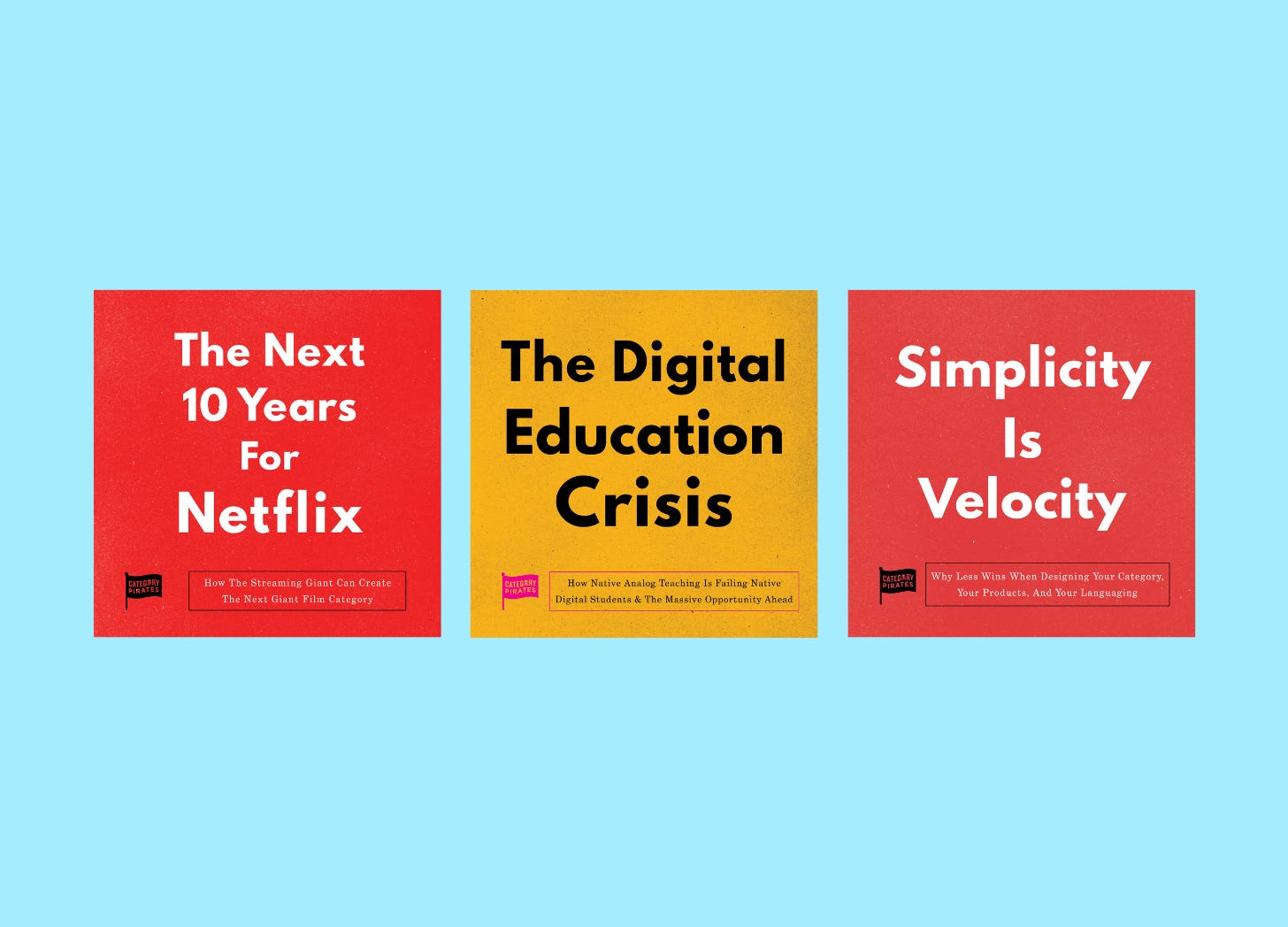
The Next 10 Years For Netflix: How The Streaming Giant Can Create The Next Giant Film Category
This audiobook isn’t about Netflix.
It’s about how category leaders get blindsided when they confuse brand power with category power—and how new categories form at the edges of attention.
Using Netflix as a case study, it shows why gaming isn’t the next big opportunity, how creator-led content is reshaping entertainment, and why Native Digital behavior matters more than legacy media instincts.
It’s a masterclass in spotting where a dominant company’s assumptions no longer match reality—and what that teaches you about your own category.
Listen here:

The Digital Education Crisis: How Native Analog Teaching Is Failing Native Digital Students & The Massive Opportunity Ahead
This audiobook names one of the largest, slowest-moving category failures in plain sight.
It explains why Native Analog systems—built for memorization, credentials, and status—are failing Native Digital learners who live in a world of immediacy, creation, and outcomes.
More importantly, it shows how category neglect creates massive opportunity: when incumbents can’t adapt, new categories emerge. Education just happens to be early, obvious, and instructive for every other industry.
This is how you learn to see generational category shifts before they become irreversible.
Listen here:

Simplicity Is Velocity: Why Less Wins When Designing Your Category, Your Products, And Your Languaging
Complexity feels smart.
Simplicity wins.
This audiobook shows why simplicity isn’t a design preference—it’s a competitive advantage that accelerates decision-making, adoption, and growth.
Through examples across products, categories, and Languaging, it explains how leaders who simplify faster than competitors move ahead while others get stuck explaining themselves.
If you want to move quickly when the market shifts, this is how you cut through the noise and act decisively.
Listen here:

Our entire library of audiobooks is available to Founding Members. If you’re already a Founder, you’re set. Pick a path and press play. If you’re not, this is one of those moments where upgrading actually does what it says on the tin: it unlocks everything—including every audiobook you just read about, the Pirate Eddie Bot, our Founder Content library, and our entire library of 300+ publications. Upgrade here.
Five paths. Fourteen audiobooks. Zero obligation to listen to all of them.
This is your permission slip to take the long way around the block.
To “check on the dishes” for a little longer than necessary.
To put the headphones on, nod politely, and disappear into a better line of thinking for 20–40 minutes.
If you do listen to one, tell us which path you picked—and why—in the comments.
We’re always curious what quest Pirates are on.
However you’re spending the holiday, we hope it includes a little quiet, a little laughter, and at least one moment where your brain gets to stretch again.
Merry Christmas, Pirates 🏴☠️
Arrrrrrr,
Category Pirates
P.S. - Our next book, Thinker’s High, is coming soon.
It’s 52 weekly provocations—one per week—designed to pull you out of default thinking, sharpen judgment, and remind you what it feels like to actually enjoy thinking again.
Stay tuned. 🎄🏴☠️
Thanks for this! I might have to crawl behind the tree to sneak a listen over the holidays . 🎄😀
Merry Christmas, Pirates!! You are the gift that keeps on giving! 🏴☠️